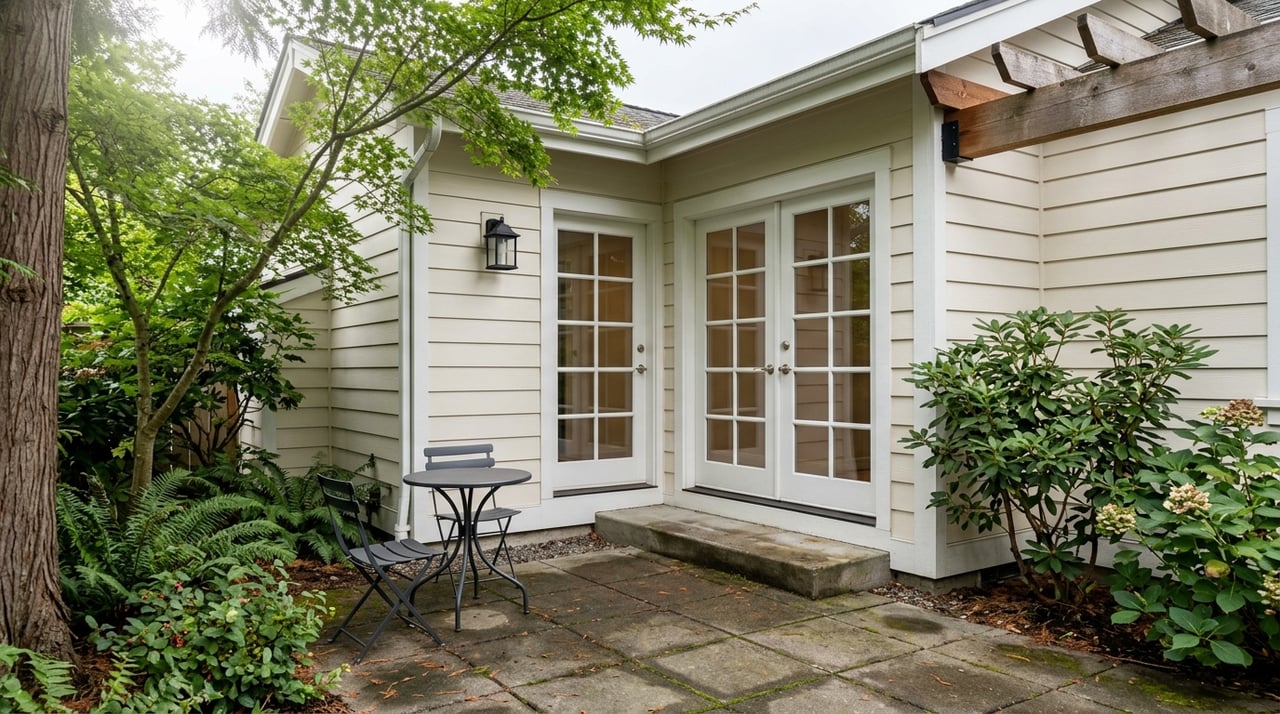
If you have ever driven through Southwest Portland and wondered why Garden Home feels a little more hidden, a little quieter, and a little more self-contained than nearby areas, you are not imagining it. For many buyers, that tucked-away feeling is part of the appeal, especially when you want a residential setting that still keeps Portland and Beaverton within easy reach. The good news is that there are real, place-based reasons for it, and understanding them can help you decide whether Garden Home fits the way you want to live. Let’s dive in.
Why Garden Home Feels Different
Garden Home-Whitford is small enough to feel like a neighborhood instead of a broad suburban expanse. The 2020 Census counted 7,081 residents, with 64.6% owner occupancy and 90.5% of residents living in the same house a year earlier. Those numbers suggest a settled community where many households stay put.
That stability shapes how the area feels when you are there. You notice established homes, familiar daily patterns, and a residential rhythm that feels consistent rather than fast-changing. It is one of the clearest reasons Garden Home often feels tucked away.
Older Growth Still Shapes the Area
One of the biggest reasons Garden Home feels distinct is that it did not grow from a single modern subdivision plan. Garden Home was named and platted in 1881, and by the early 1900s it had become a stop on the Oregon Electric Railway. That older pattern of growth still influences how the area reads today.
Instead of feeling laid out all at once, the neighborhood has a more layered form. Older routes, a historic rail spine, and later trail reuse give it a shape that feels organic rather than overly engineered. For buyers, that can translate into a stronger sense of place.
Green Backdrop Adds Separation
The broader Southwest Portland setting matters too. Portland’s Southwest Community Plan describes this part of the city as shaped by forest canopy, streams, and hilly terrain. In practical terms, Garden Home sits in a greener and less urban backdrop than many close-in neighborhoods.
That landscape naturally creates a buffer from busier commercial areas. Even when you are not far from everyday conveniences, the setting can feel quieter and more removed. This is a big part of why Garden Home comes across as tucked away without being remote.
Fanno Creek Trail Creates a Local Spine
The Fanno Creek Greenway Trail is another major reason the area feels self-contained. Portland’s Southwest Community Plan says the completed trail runs through Garden Home and connects the 40-Mile Loop Trail with the Tualatin River. That kind of trail access gives the neighborhood a physical thread that ties daily life together.
Local history also notes that part of the former Oregon Electric Railway alignment later became part of the Fanno Creek Trail corridor. That detail matters because it shows how the neighborhood’s past still shapes the way people move through it today. A trail corridor like that adds connection, but it does so in a quiet, neighborhood-scaled way.
Community Hubs Make It Feel Local
Garden Home also has recognizable community anchors that strengthen its identity. THPRD says the Garden Home Recreation Center includes an access point to the Fanno Creek Trail and also houses the Garden Home Community Library. THPRD also notes that the recreation center was one of the first recreation facilities in the nation to include a community library.
When a neighborhood has places like that close at hand, it tends to feel more complete. You are not relying only on surrounding areas for daily activity or local gathering spots. That helps Garden Home feel local and grounded rather than pass-through.
Main Street Energy Without Big-Corridor Feel
Another piece of the puzzle is that Garden Home has a defined main street role. Portland’s Southwest Community Plan identifies Garden Home as one of Southwest Portland’s main streets and says it serves both Portland and Beaverton neighborhoods. That gives the area a center of gravity.
At the same time, the neighborhood does not read like an intensely urban district. The plan supports compact, pedestrian-friendly main streets while asking development outside those mixed-use areas to respect established neighborhood character. That balance helps explain why Garden Home can feel connected and convenient without losing its residential tone.
Established Homes Reinforce the Mood
The housing stock supports that tucked-away feeling too. Census data show a 64.6% owner-occupied rate, a median household size of 1.94 people, and a median owner-occupied value of $624,900. Local history sources also document century homes and a 1920 home in the area.
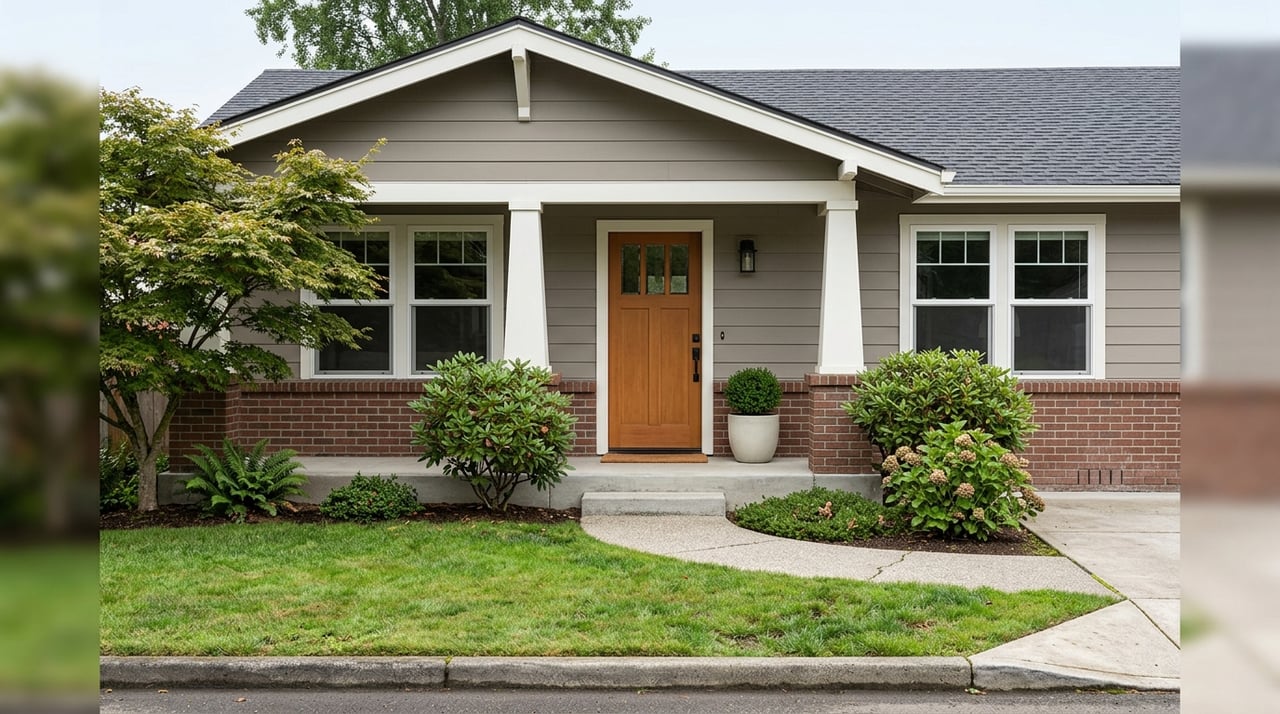
The safest way to think about Garden Home housing is as established, low-rise residential fabric with a long timeline of development. It does not present as uniformly brand-new or highly dense. For many buyers, that established feel adds character and predictability.
Quiet Does Not Mean Isolated
A tucked-away neighborhood only works well if it still connects easily to the rest of your life. Garden Home does. TriMet Line 45-Garden Home connects Tigard, Washington Square, Southwest Portland, and Portland City Center on weekdays.
TriMet Line 54-Beaverton-Hillsdale Hwy connects Beaverton Transit Center, Raleigh Hills, Hillsdale, and Portland City Center, and it runs every 15 minutes or better most of the day, every day. Census data also put the mean travel time to work at 23 minutes. Taken together, that points to practical regional access while preserving a quieter neighborhood feel.
What Buyers Often Notice First
If you are considering Garden Home, you will likely notice a few things right away:
- Mature greenery and a less urban visual feel
- An established residential pattern instead of large-scale new development
- Trail access that makes the area feel connected internally
- A small main street corridor that gives the neighborhood a center
- Community anchors like the rec center and library
- Easy access to Portland and Beaverton without constant big-corridor energy
Those features work together. No single detail creates the tucked-away feeling on its own, but the combination is what makes Garden Home stand out.
Why This Matters When You Buy
Neighborhood feel is not just about aesthetics. It affects your daily routine, how you move through the area, and whether a place feels calm or hectic over time. If you are looking for a Southwest Portland area neighborhood that feels quiet, green, and established while still offering practical access, Garden Home checks a lot of boxes.
It also helps to know what you are evaluating beyond first impressions. An established area can offer a stronger sense of identity, but homes may vary more in age, layout, and condition than in a newer development. That is where local guidance and careful property evaluation matter.
The Bottom Line on Garden Home
The best factual explanation for Garden Home’s tucked-away feel is simple: it is the result of older settlement history, a creek-and-trail corridor, a small main-street core, and a greener Southwest Portland setting. Add in established owner-occupied homes, community hubs, and practical transit access, and you get a neighborhood that feels connected without feeling busy.
If that balance sounds like what you want, Garden Home is worth a closer look. And if you want help comparing it with nearby westside neighborhoods, pricing homes thoughtfully, or evaluating property condition with a practical eye, Victoria Marchese is a steady local resource.
FAQs
Why does Garden Home in Southwest Portland feel tucked away?
- Garden Home feels tucked away because of its older settlement pattern, greener hilly setting, Fanno Creek Trail corridor, small main-street core, and established residential character.
Is Garden Home-Whitford a small neighborhood area?
- Yes. The 2020 Census counted 7,081 residents, which helps it read more like a neighborhood community than a large suburb.
What community features give Garden Home a local feel?
- The Garden Home Recreation Center, Garden Home Community Library, and access to the Fanno Creek Trail are key local anchors that help the area feel self-contained.
Does Garden Home have easy access to Portland and Beaverton?
- Yes. TriMet Line 45 connects Garden Home with Tigard, Washington Square, Southwest Portland, and Portland City Center, while Line 54 connects nearby areas including Beaverton and Hillsdale.
What is the housing character like in Garden Home?
- The housing is best described as established, low-rise residential with a long timeline of development rather than dense or uniformly new construction.