Wondering whether an older home or a newer one makes more sense in Cedar Mill or Cedar Hills? You are not alone. Many buyers love the character and lot size of established homes, but they also want to avoid surprise repairs and costly updates. This guide will help you compare both options so you can focus on the right fit for your budget, lifestyle, and comfort level. Let’s dive in.
Cedar Mill and Cedar Hills at a Glance
Cedar Mill and Cedar Hills sit in unincorporated Washington County, west of Portland and north of Beaverton. Washington County describes this area as one of its more developed urban communities, but the housing choices still vary in useful ways.
Cedar Hills is known for its mid-century planned-neighborhood roots. It was announced in 1946, and the community was built in phases through the early 1970s. That history helps explain why many homes there share a classic suburban layout, established streets, and a more consistent architectural feel.
Cedar Mill has older roots overall. The sawmill that gave the area its name dates to around 1855, and the community includes a wider range of housing eras. In practical terms, that means you may see everything from older historic resources to mid-century homes and newer infill or attached housing.
Housing Mix and Price Differences
If you are comparing these two areas, the numbers tell an important story. Census Reporter’s ACS 2024 profile shows Cedar Hills with 3,641 housing units, with 76% single-unit homes and 66% owner occupancy. The median owner-occupied home value is $611,400.
Cedar Mill has 6,833 housing units, with 80% single-unit homes and 77% owner occupancy. The median owner-occupied home value is $878,300. That points to Cedar Mill as the higher-priced market, with a stronger single-family pattern and a broader spread of housing types and home values.
For many buyers, Cedar Hills may feel a bit more accessible on price. Cedar Mill may offer more variety in home era and condition, but often at a higher entry point.
What Older Homes Often Offer
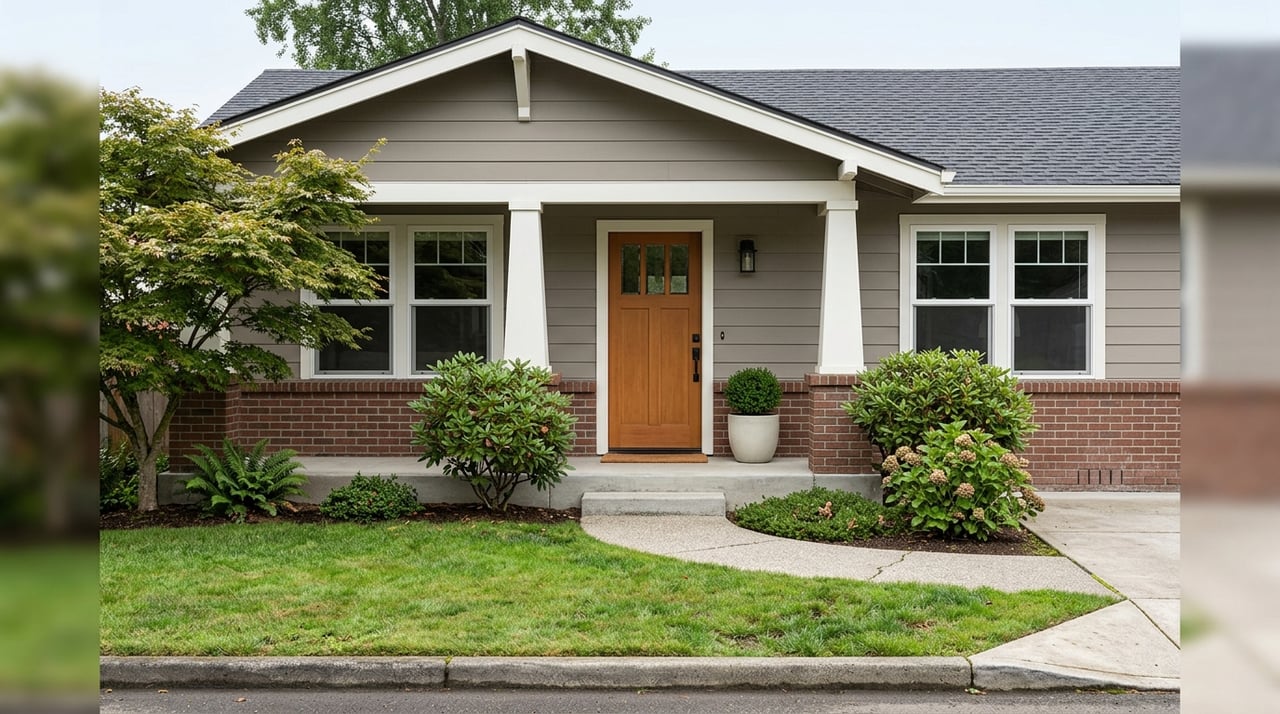
Older homes in Cedar Hills usually reflect the area’s original mid-century development. In Cedar Mill, older homes can span a wider timeline, from historic-era properties near the original mill area to long-established suburban homes.
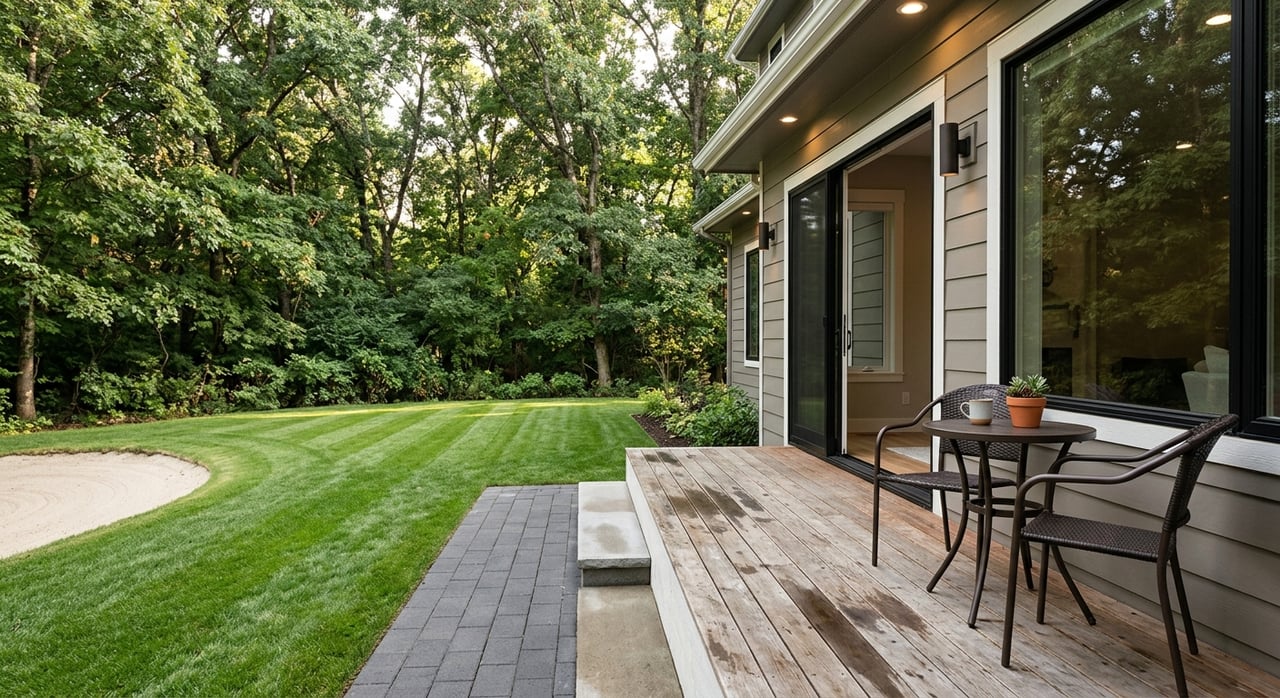
One of the biggest draws of older homes is character. You may find mature landscaping, larger lots, and a neighborhood pattern that feels settled and consistent. In many cases, these homes also sit in low-density areas that buyers still value for space and privacy.
Layout can be part of the tradeoff. Older homes are more likely to have traditional, compartmentalized floor plans rather than the open living spaces many buyers expect today. Of course, remodeling can change that, so each property still needs to be looked at individually.
What Older Homes May Need
The biggest issue with older homes is usually not charm. It is maintenance. Even a well-cared-for home may need updates to major systems or exterior materials.
Harvard’s Joint Center for Housing Studies found that in 2023, maintenance made up 22% of total remodeling and repair spending on homes built before 1960, compared with 16% for homes built in 2010 or later. It also noted that projects like roofing, siding, windows, insulation, and HVAC are hard to postpone for long.
In Cedar Hills and older parts of Cedar Mill, that means you should expect to evaluate more than just paint colors and countertops. Roof condition, drainage, insulation, heating and cooling systems, windows, and other core components can have a real impact on your near-term costs.
Why Lot Conditions Matter
In these neighborhoods, the lot itself can shape what is possible. Washington County notes that some parts of the Cedar Hills and Cedar Mill planning area have high water tables, poorly drained soils, and steep slopes.
That matters if you are thinking about an addition, a major remodel, drainage work, or foundation-related improvements. A home may look like it has strong renovation potential at first glance, but site conditions can change the cost and complexity quickly.
The county also notes that the area includes large residential lots near collector roads, though added density works only in some cases. South of Sunset Highway, the low-density pattern is already well established. If you are buying for future expansion, it is smart to evaluate the property beyond the house itself.
What Newer Homes Often Offer
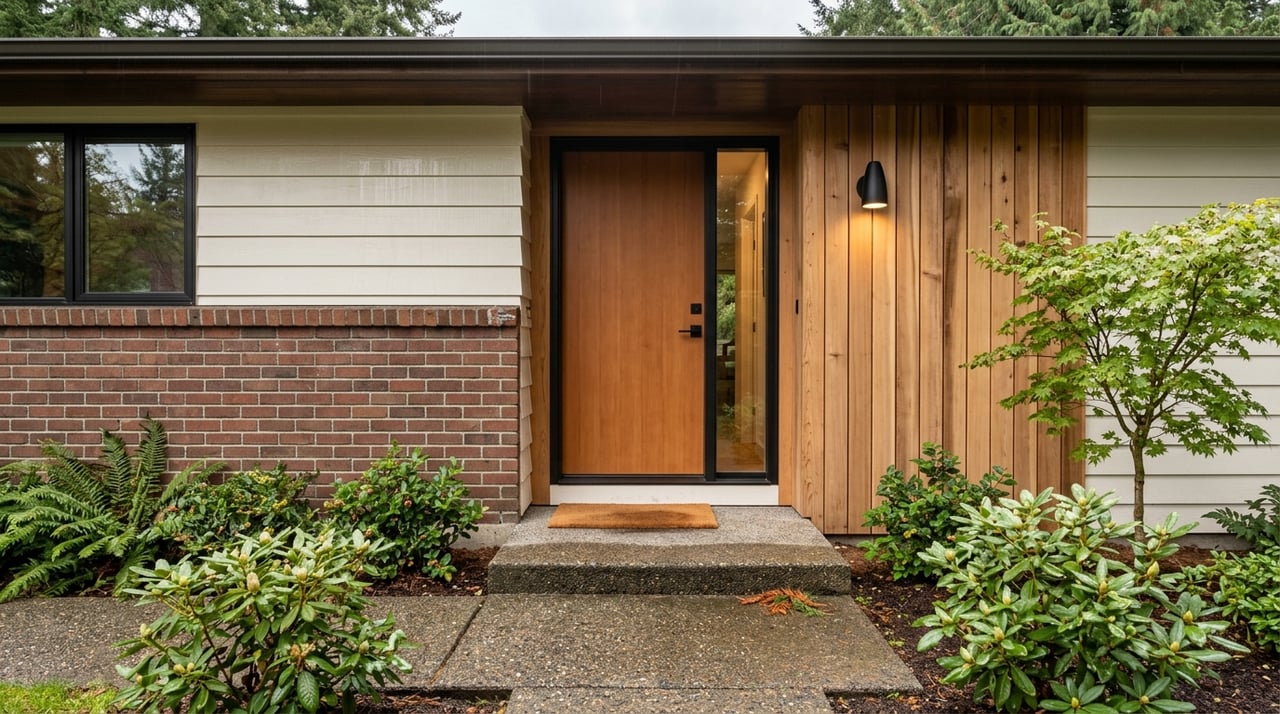
Newer housing in Cedar Mill and Cedar Hills tends to show up as infill, redevelopment, or attached housing rather than as a whole-neighborhood pattern. Washington County points to opportunities on vacant parcels north of Highway 26, as well as redevelopment and higher-density potential near the Peterkort area and Cedar Hills shopping center.
That means newer homes may appear in pockets rather than in large, uniform subdivisions. You may also see newer apartment or attached-housing options, including projects that support different household needs.
From an ownership standpoint, newer homes often appeal to buyers who want fewer immediate repair demands. They also tend to feel easier to manage from a utility and comfort standpoint because of more current building and energy standards.
Why Newer Homes Can Feel Easier to Own
Oregon’s current residential energy code includes energy-efficiency requirements. The state’s Home Energy Score program evaluates features like insulation, windows and doors, and heating and cooling systems.
Oregon Housing and Community Services also highlights weatherization measures such as insulation, air-sealing, furnace repair or replacement, and duct improvements. For you as a buyer, this helps explain why newer homes often come with more predictable operating costs.
The tradeoff is usually price. A newer home may cost more upfront, but it may reduce the chance of major early spending on systems, energy upgrades, or deferred maintenance.
Cedar Hills and HOA Considerations
Cedar Hills stands out because of its stronger community-rule structure. The HOA says the neighborhood’s CC&Rs were recorded in 1946, and current policies still require architectural review and inspections to preserve community standards.
That does not make Cedar Hills better or worse. It simply means you should go in with clear expectations. If you want to make visible exterior changes, build accessory structures, or take on a major transformation, you need to understand the review process early.
The association also limits accessory structures to a combined 600 square feet. If your plan includes a large shed, workshop, or other exterior addition, it is worth checking the rules before assuming a property will support it.
Cedar Mill and Renovation Flexibility
Cedar Mill may be a better match if you want more variety in home style, condition, and era. The area includes original homes, remodeled homes, and newer pockets, which can create more choice depending on your goals.
That said, renovation upside is not automatic. Washington County notes that redevelopment and infill depend on parcel characteristics, landowner intent, and physical conditions of the site.
In simple terms, one Cedar Mill property may be a straightforward candidate for updates or expansion, while another may be constrained by slope, drainage, or the surrounding land-use pattern. This is where experienced guidance can make a big difference when you are comparing homes that look similar online.
How to Choose the Right Fit
If you are deciding between an older and newer home in Cedar Mill or Cedar Hills, it helps to match the home to your priorities.
An older home may be the better fit if you want:
- Larger or more established lots
- Mature landscaping and a classic neighborhood feel
- A home with character or remodeling upside
- A lower purchase price than some newer alternatives
A newer home may be the better fit if you want:
- Fewer immediate repair projects
- Better energy efficiency
- More predictable operating costs
- A more turnkey move-in experience
Your comfort with maintenance matters just as much as your budget. Some buyers are happy to take on updates over time. Others want a home that feels simple and stable from day one.
The Bottom Line for Buyers
In broad terms, Cedar Hills is the more clearly mid-century, HOA-shaped market. Cedar Mill is the more mixed and higher-priced market, with a broader range of historic-to-newer housing options.
Neither older nor newer homes are automatically the better choice. The right answer depends on how you weigh character, condition, flexibility, operating costs, and long-term plans.
If you want calm, practical guidance while comparing homes in Cedar Mill and Cedar Hills, Victoria Marchese can help you sort through condition, value, and neighborhood tradeoffs with a clear local perspective.
FAQs
What is the main difference between Cedar Mill and Cedar Hills housing?
- Cedar Hills is generally more mid-century and HOA-shaped, while Cedar Mill has a broader mix of home ages and typically higher home values.
Are older homes in Cedar Hills and Cedar Mill more likely to need repairs?
- Yes. Older homes are more likely to need updates to roofing, siding, windows, insulation, HVAC, drainage, or other major systems, even when they have been well maintained.
Are newer homes common in Cedar Mill and Cedar Hills?
- Newer homes exist, but they are more likely to appear as infill, redevelopment, or attached housing rather than as a consistent neighborhood-wide pattern.
Do Cedar Hills homes have HOA rules that affect remodeling?
- Yes. Cedar Hills has long-standing CC&Rs, architectural review requirements, and limits on accessory structures, so buyers should review the rules before planning exterior changes.
Is Cedar Mill a good place to look for renovation potential?
- Cedar Mill can offer renovation potential, but it depends heavily on the lot, slope, drainage, and surrounding land-use pattern. Some properties are easier to expand or improve than others.