If you are thinking about selling in Cedar Mill or Cedar Hills, the good news is that buyers are still active. The more important question is how to match your strategy to the market you are actually in, because these two nearby areas are moving at very different speeds. In this guide, you’ll see what current numbers suggest, what buyers expect before they schedule a showing, and how to prepare your sale with fewer surprises. Let’s dive in.
Cedar Mill and Cedar Hills differ
Cedar Mill and Cedar Hills are both on the westside, but sellers should not treat them the same. Recent market data shows Cedar Hills moving faster and more competitively, while Cedar Mill still rewards strong preparation and disciplined pricing.
In May 2026, Cedar Mill posted a median sale price of $779,533, with median days on market at 34 and a 99.3% sale-to-list ratio. About 24.6% of homes sold above list price, while 22.3% had price drops. Redfin describes Cedar Mill as somewhat competitive, with some homes receiving multiple offers.
Cedar Hills was tighter. Its median sale price was $647,113, median days on market was just 5, and the sale-to-list ratio reached 101.2%. About 75.2% of homes sold above list price, and Redfin describes the area as very competitive, with many homes getting multiple offers.
Washington County overall sat at a median sale price of $564,307, 24 days on market, and a 100.1% sale-to-list ratio. That gives useful context, but your pricing and launch plan should be shaped by your immediate area and your home’s condition, not countywide averages alone.
What this means for your pricing
In Cedar Hills, a polished listing launch can matter a lot because buyers may respond quickly. If your home shows well and is priced with the current competition in mind, you may be in a position to attract strong early activity.
In Cedar Mill, the pace is still healthy, but sellers may need a little more patience. The data suggests buyers are active, though not every listing is pushed above asking right away. A smart approach here is to price carefully, prepare thoroughly, and give the market room to respond.
This is where a calm, local strategy matters more than hype. Victoria Marchese’s approach is rooted in preparation, market judgment, and responsive communication, which is especially valuable when two nearby markets can behave so differently.
Buyers start online first
Most buyers begin their search online, so your home needs to look strong before anyone ever steps through the door. According to the 2025 staging survey referenced in the research, 85% of buyers said photos were the most important factor in deciding which homes to view.
That means your first showing is often digital. If your photos are dark, cluttered, or inconsistent, buyers may skip over the home before they even read the details. High-resolution photography and video tours are no longer extras for many westside listings. They are part of the baseline expectation.
Buyers also tend to carry visual expectations into the in-person visit. The same research found that 58% of respondents said buyers were disappointed when homes did not live up to the staged look they expected. In other words, good marketing should create interest, but the home still needs to feel just as cared for in person.
Prep work that often pays off
For most sellers, the best pre-listing improvements are not major remodels. The research points to simpler work with high impact: decluttering, depersonalizing, deep cleaning, necessary repairs, and thoughtful staging.
Those steps help buyers focus on the home itself rather than distractions. They also make photography stronger, which matters in a market where online presentation drives traffic.
The most important rooms to stage are often the living room, primary bedroom, and kitchen. Buyers tend to picture daily life in those spaces first, so even modest updates in layout, lighting, and styling can improve how the home is received.
Common seller recommendations in the research included:
- Decluttering
- Whole-home cleaning
- Improving curb appeal
- Making needed repairs
- Staging key rooms
If you hire professional staging, the reported median seller-paid cost was $1,500. That does not mean every home needs full staging, but it does show that many sellers are investing in presentation before launch.
Curb appeal still matters
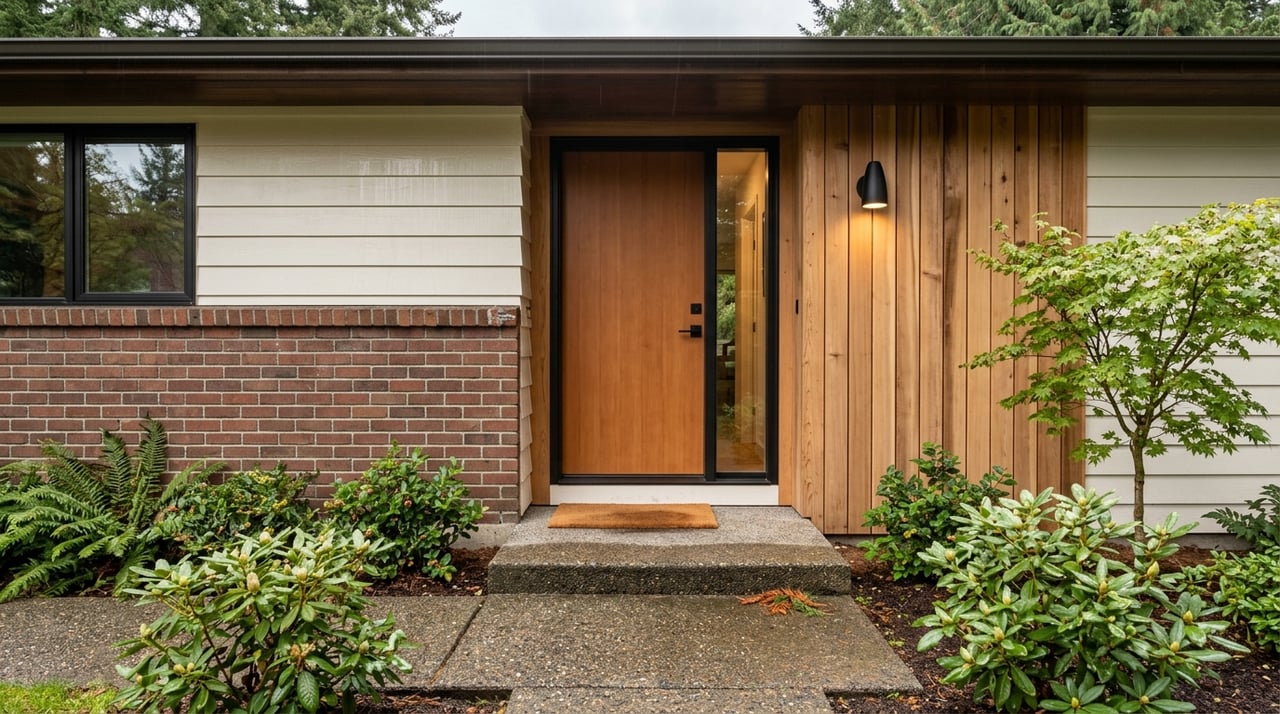
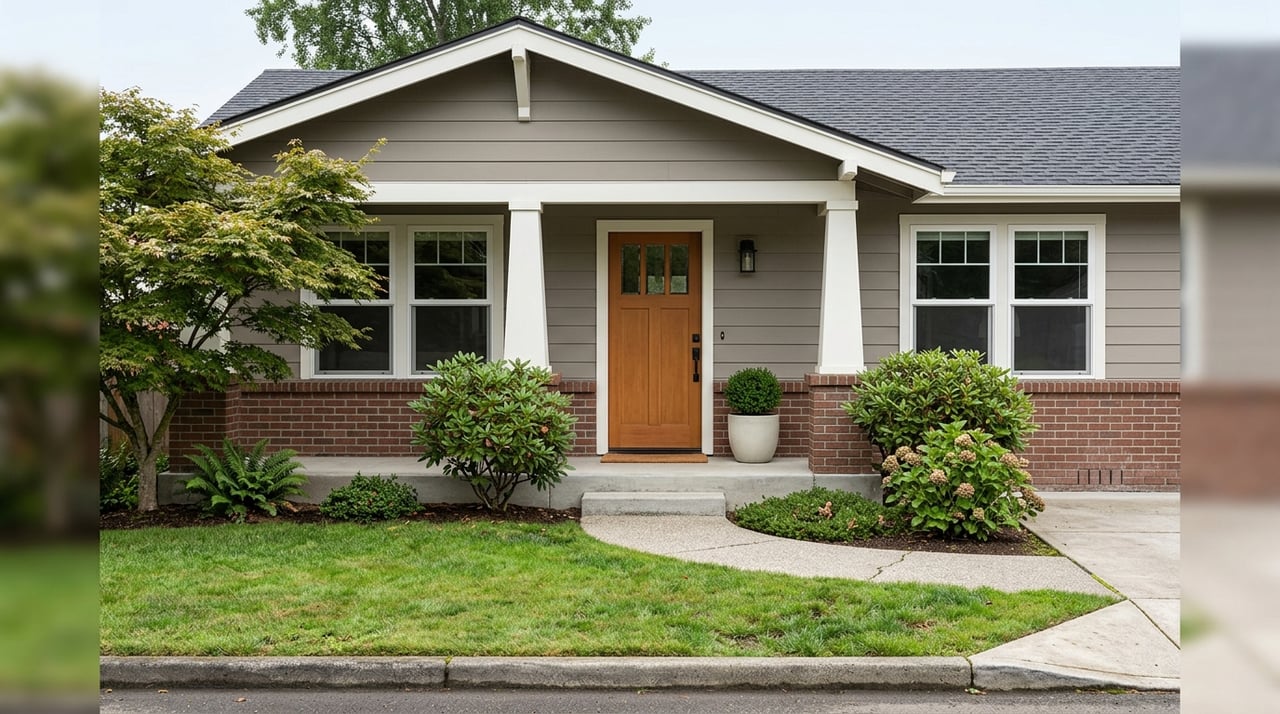
Your exterior sets the tone before a buyer reaches the front door. Trimming shrubs, cleaning windows, refreshing lighting, and making the entry feel cared for can change the way buyers perceive the home.
The research notes that strong curb appeal can raise perceived value by as much as 7%. That is a reminder that presentation is not just cosmetic. It shapes emotion, confidence, and how buyers interpret price.
In Cedar Mill and Cedar Hills, where many buyers move quickly once a home feels right, a neglected exterior can cost you momentum. A clean, inviting first impression helps support everything else you are doing.
Showings should feel easy
Once your home is active, consistency matters. Before each showing, the seller checklist in the research recommends clearing counters, wiping surfaces, opening window treatments, turning on all lights, and neutralizing odors.
These are simple tasks, but they help your home feel brighter, cleaner, and more move-in ready. That matters whether buyers are comparing multiple homes in Cedar Hills on the same weekend or taking a little more time to decide in Cedar Mill.
If your schedule is busy, it helps to build a routine in advance. Many sellers benefit from coordinating cleaners, a handyman, a landscaper, a stager, and a photographer before the first week on market. Strong preparation reduces last-minute stress.
Oregon paperwork should start early
A smooth sale is not only about marketing. In Oregon, early paperwork and disclosure prep are a major part of the process.
The Oregon Real Estate Agency says brokers representing sellers in residential transactions must have a written listing agreement before offering a property for sale. That agreement must include an expiration date, license number, exclusivity status, contact information, and signatures.
Recordkeeping also matters. A complete listing file should include the Seller’s Property Disclosure Statement, proof of ownership or signing authority, property information, pricing documentation, and communication records.
If your home was built before 1978, federal law requires disclosure of known lead-based paint hazards for most housing from that period, and buyers receive a 10-day inspection period. If the property has a domestic well, Oregon’s Domestic Well Testing Act requires water quality testing during the transaction and sharing the results and RET form.
These details are one reason experienced guidance matters. Selling a home involves pricing, repairs, media, showings, disclosures, and offer tracking, all in the right order.
A practical seller plan for westside homes
If you want a smoother sale in Cedar Mill or Cedar Hills, it helps to think in phases rather than trying to do everything at once. A clear sequence keeps the process manageable.
A practical seller plan often looks like this:
- Review your home’s likely market position based on recent local activity.
- Identify repairs, cleaning needs, and simple presentation upgrades.
- Gather documents early, including disclosure-related paperwork.
- Coordinate vendors for staging, photography, and exterior touch-ups.
- Launch with strong visuals and a pricing strategy that fits your area.
- Stay ready for showings and respond quickly once buyer interest starts.
That kind of structure fits the brand’s low-pressure, high-service approach. It is not about rushing you. It is about helping you make informed decisions and avoiding preventable problems.
Why local guidance matters here
Even in nearby communities, seller strategy is not one-size-fits-all. Cedar Hills may reward a fast, polished launch because the market there is moving quickly. Cedar Mill may call for equal polish, but with pricing discipline and a bit more patience.
That is where local experience can make a real difference. Victoria Marchese has been helping Portland-area clients through residential transactions since 1997, with a reputation for responsiveness, practical advice, and steady support. For sellers, that often means help with valuation, prep decisions, vendor coordination, and negotiation without unnecessary pressure.
If you are preparing to sell in Cedar Mill or Cedar Hills, the best next step is to build a plan around your home, your timing, and your local market conditions. To talk through pricing, prep, and a launch strategy that fits your goals, connect with Victoria Marchese.
FAQs
How fast are homes selling in Cedar Mill right now?
- Recent May 2026 data showed Cedar Mill at 34 median days on market, with some homes receiving multiple offers.
How fast are homes selling in Cedar Hills right now?
- Recent May 2026 data showed Cedar Hills at 5 median days on market, with many homes selling above list price.
What prep matters most before selling a home in Cedar Mill or Cedar Hills?
- Decluttering, deep cleaning, needed repairs, curb appeal work, and staging key rooms are among the most common and useful pre-listing steps in the research.
Do sellers in Oregon need disclosure paperwork before listing?
- Oregon sellers and their brokers should organize listing and disclosure documents early, including the Seller’s Property Disclosure Statement and other required transaction records.
Should you stage a home before listing in Cedar Mill or Cedar Hills?
- Staging can help buyers visualize the home, especially in main spaces like the living room, primary bedroom, and kitchen, and it often supports stronger online presentation and showings.