Wondering if your home still fits your life the way it used to? If you love Tigard but feel weighed down by extra rooms, stairs, yard work, or upkeep, you are far from alone. Right-sizing can help you simplify daily life, unlock equity, and stay focused on what matters most. Let’s look at how to make a smart move in Tigard.
Why right-sizing makes sense in Tigard
Tigard is a place where many homeowners have built meaningful equity over time. The Census Bureau’s 2020 to 2024 estimate shows a 61.7% owner-occupied rate and a median owner-occupied home value of $610,500. Zillow’s May 31, 2026 market page also shows an average home value of $610,805.
That matters if you are thinking about a move with less space or less maintenance. In a market with limited supply, your current home may appeal to buyers who want a larger single-detached property. Tigard’s Housing Needs Analysis says nearly 60% of the city’s housing supply is single-detached, with a 3.4% vacancy rate and demand for thousands of additional housing units over the next 20 years.
Tigard also remains active for sellers. Zillow reports about 13 days to pending and 198 homes for sale, which suggests that well-priced listings can still move quickly. If your goal is to simplify without leaving the area you know, that can create real opportunity.
Right-sizing is about fit
Right-sizing does not always mean going as small as possible. It means choosing a home that better matches how you live now and how you want to live next.
For many homeowners, this shift happens during a major life stage. NAR’s 2025 seller data says common reasons for selling include moving closer to friends or family, having a home that feels too large, and retirement. The same report notes the typical seller is 64 and has owned their home for 11 years.
In practical terms, the best next home may not be the one with the fewest square feet. It may be the one that gives you easier daily routines, lower upkeep, better layout, and more flexibility for the years ahead.
Tigard home types to consider
Tigard is not limited to larger suburban houses. The city has expanded its housing mix and allows a wider range of housing types, including small-form residential homes, cottage clusters, courtyard units, quads, rowhouses, and ADUs.
That broader mix is helpful if you want to stay local while changing your lifestyle. Here are some of the most relevant options to consider.
Smaller detached homes
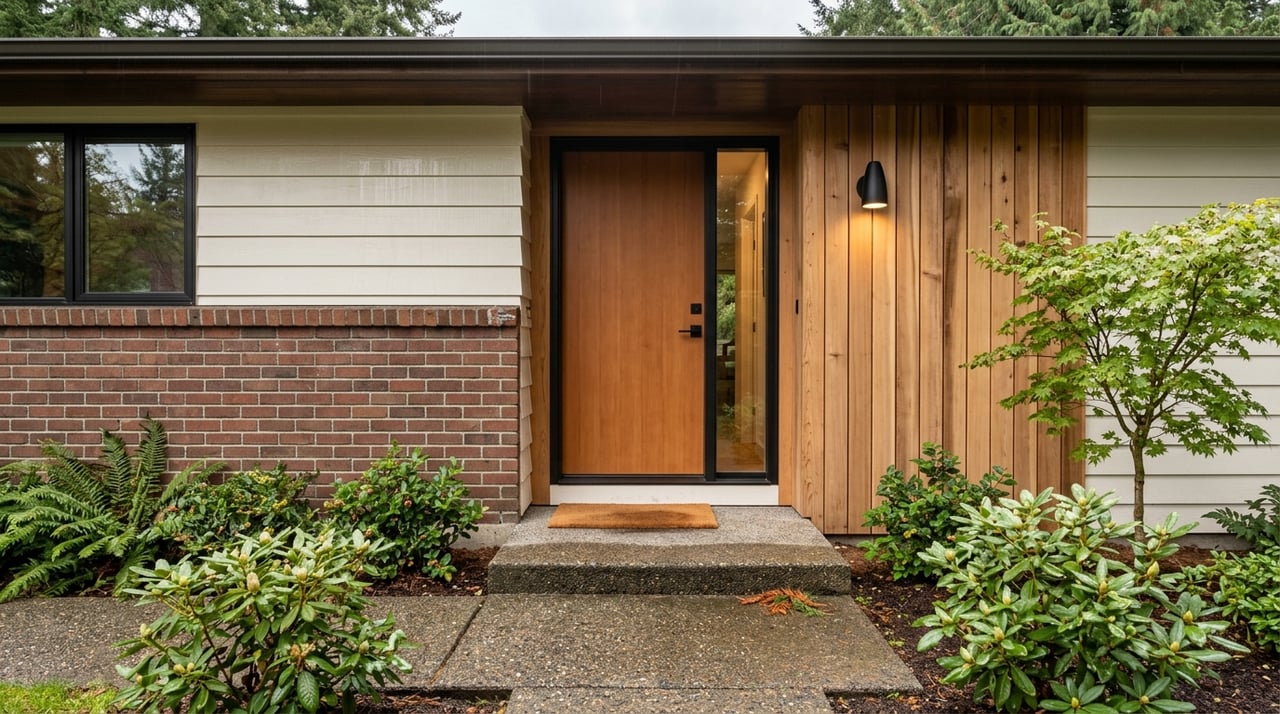
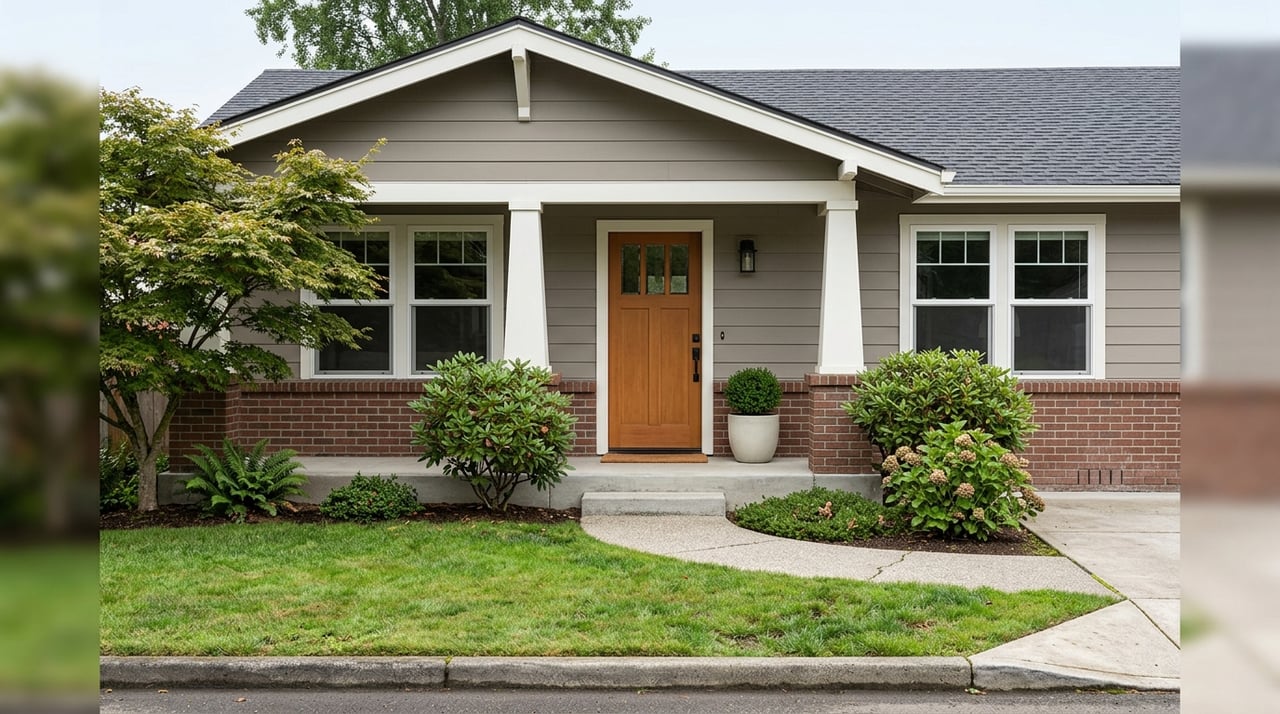
A smaller detached home can offer privacy and independence without the scale of a larger house. For many rightsizers, a one-level layout is especially appealing because it can make everyday living easier.
This option can work well if you still want your own outdoor space and fewer shared rules. It may also feel like a smoother transition if you are not ready for attached living.
Townhomes and rowhouses
Townhomes or rowhouses often offer a middle ground between a larger detached home and a condo. You may get less exterior upkeep than a traditional house while keeping a more home-like layout.
For Tigard homeowners who want less maintenance but not an apartment feel, this can be a strong fit. The city specifically includes rowhouses and other attached housing types in its broader housing strategy.
Condos
Condos can be a practical option if your top priority is reducing exterior maintenance. Depending on the community, you may also gain features like elevator access, simpler entrances, or more compact living.
The tradeoff is that condos usually come with shared-community rules and monthly dues. Before you buy, it is important to understand what those dues cover and how the rules align with your lifestyle.
ADU-based living
Some homeowners want to stay on a familiar property while changing how they use it. Tigard allows ADUs that can be internal, attached, or detached, and the city says a detached ADU can be up to 800 square feet.
This may be worth exploring if you are thinking creatively about multigenerational living, caregiving, or using a smaller unit on the same lot. It is not the right path for everyone, but it can offer flexibility that a traditional move does not.
How to choose the right next home
The smartest rightsizing decisions usually come from thinking about daily life, not just price or square footage. Tigard’s planning work emphasizes access to homes, shops, and services in complete neighborhoods where daily needs are easier to reach by walking, biking, or rolling.
That makes location and layout just as important as size. A smaller home that is easier to live in can feel much bigger than a larger home that creates stress every day.
Ask these practical questions
- Do you want single-level living, or are stairs still workable for you?
- How many bedrooms do you truly need for guests, work, or caregiving?
- Will you have enough storage for seasonal items and hobbies?
- How easy is parking, entry access, and day-to-day convenience?
- If you are considering a condo or townhome, what do the HOA dues and rules include?
- Could this home still work if mobility or family needs change later?
Think about nearby services
For many Tigard rightsizers, fewer car trips is part of the goal. As you compare homes, pay attention to access to groceries, health care, parks, and other routine services.
A well-located home can reduce effort in ways that square footage never will. That local fit can have a big impact on your comfort and independence over time.
Preparing your current home to sell
If the idea of getting your home ready feels overwhelming, start smaller than you think. The first goal is not perfection. It is reducing decision fatigue and making the home easier for buyers to understand.
NAR’s seller checklist recommends decluttering, depersonalizing, deep cleaning, making necessary repairs, and staging before showings. Staging guidance also points to removing personal items, using neutral finishes, and creating storage or versatile spaces so buyers can picture the home as their own.
Start with decluttering
Decluttering is often the best first step because it helps with two moves at once. It can make your current home feel larger to buyers while helping you sort what should actually come with you.
If you are right-sizing, this step matters even more. You are not just preparing to sell. You are deciding what belongs in your next chapter.
Focus on necessary repairs
Not every home needs a long cosmetic to-do list. In many cases, basic repairs, a deep clean, and a more streamlined look can do a lot of the heavy lifting.
A calm, practical plan usually works better than trying to overhaul everything at once. The goal is a home that feels cared for, functional, and easy to picture living in.
Expect Oregon disclosures early
If you are selling in Oregon, paperwork matters early in the process. The Oregon Legislature says that, with certain exclusions, sellers must complete, sign, and deliver a seller’s property disclosure statement to each buyer who makes a written offer to purchase real property.
That means it is wise to gather information sooner rather than later. A smooth sale often starts with being organized before your home hits the market.
Timing details worth noting
For some homeowners, right-sizing also connects to tax planning or long-term budgeting. Oregon’s property tax deferral program allows eligible older or disabled homeowners to borrow from the state to pay county property taxes.
If that applies to you, timing your sale may deserve extra attention. It is one more reason to build a plan early, especially if your move involves both financial and lifestyle goals.
Staying in Tigard while simplifying
One of the biggest questions homeowners ask is whether they can downsize meaningfully without leaving Tigard. Based on the city’s housing approach, the answer is often yes.
Tigard has intentionally supported a wider range of smaller-footprint housing types, and that gives you more ways to stay near the routines, services, and community connections you already value. You may not need to choose between familiarity and simplicity.
A steady plan beats a rushed one
Right-sizing works best when you treat it as a planning process, not just a transaction. You want to know what your current home could sell for, what type of replacement home fits your life, and how to make the transition with as little stress as possible.
That is where calm, practical guidance can make a real difference. When you break the move into steps, the process becomes much easier to manage.
If you are thinking about right-sizing in Tigard, Victoria Marchese can help you evaluate your options, prepare your home thoughtfully, and make a move that fits your next season of life.
FAQs
What does right-sizing your home in Tigard mean?
- Right-sizing means choosing a home that better fits your current lifestyle, budget, upkeep preferences, and future needs rather than simply buying the smallest home possible.
Can you downsize and still stay in Tigard?
- Yes. Tigard supports a wider mix of housing types, including smaller detached homes, rowhouses, townhomes, condos, and ADU options.
What home types work well for Tigard rightsizers?
- Common options include one-level smaller detached homes, townhomes, rowhouses, condos, and in some cases ADU-based living arrangements.
What should you look for in a Tigard right-sizing home?
- Focus on fit: layout, stairs, storage, parking, entry access, HOA dues and rules, and proximity to groceries, health care, parks, and services.
What should you do first before selling your Tigard home?
- Start with decluttering and depersonalizing. Those steps can make the home feel larger and help buyers picture themselves living there.
What disclosure paperwork matters when selling a home in Oregon?
- In most Oregon home sales, the seller’s property disclosure statement is a key document to prepare early in the process.