If you want a shorter commute, an established neighborhood feel, and a little more breathing room than you may find in the city, West Slope is easy to notice. It sits in a practical spot on the west side, close to both Portland and Beaverton, with a residential character that appeals to many buyers who want convenience without an urban-core setting. If you are trying to decide whether it fits your lifestyle and budget, this guide will help you weigh the tradeoffs clearly. Let’s dive in.
What West Slope Feels Like
West Slope is a compact community in Washington County with about 6,582 residents across 1.6 square miles, based on current Census Reporter ACS data. Even though it is an unincorporated area, it has several features that give it a real neighborhood identity.
Washington County includes West Slope in its Enhanced Sheriff’s Patrol District for urban unincorporated areas. The area also has a West Slope Neighborhood Association Committee through Beaverton and the West Slope Community Library through the county library system. Those details may sound small, but they help the neighborhood feel grounded and established.
Why Buyers Look at West Slope
For many buyers, the biggest draw is location. West Slope offers close-in westside access, which can make daily travel easier if you want to stay connected to both Beaverton and Portland.
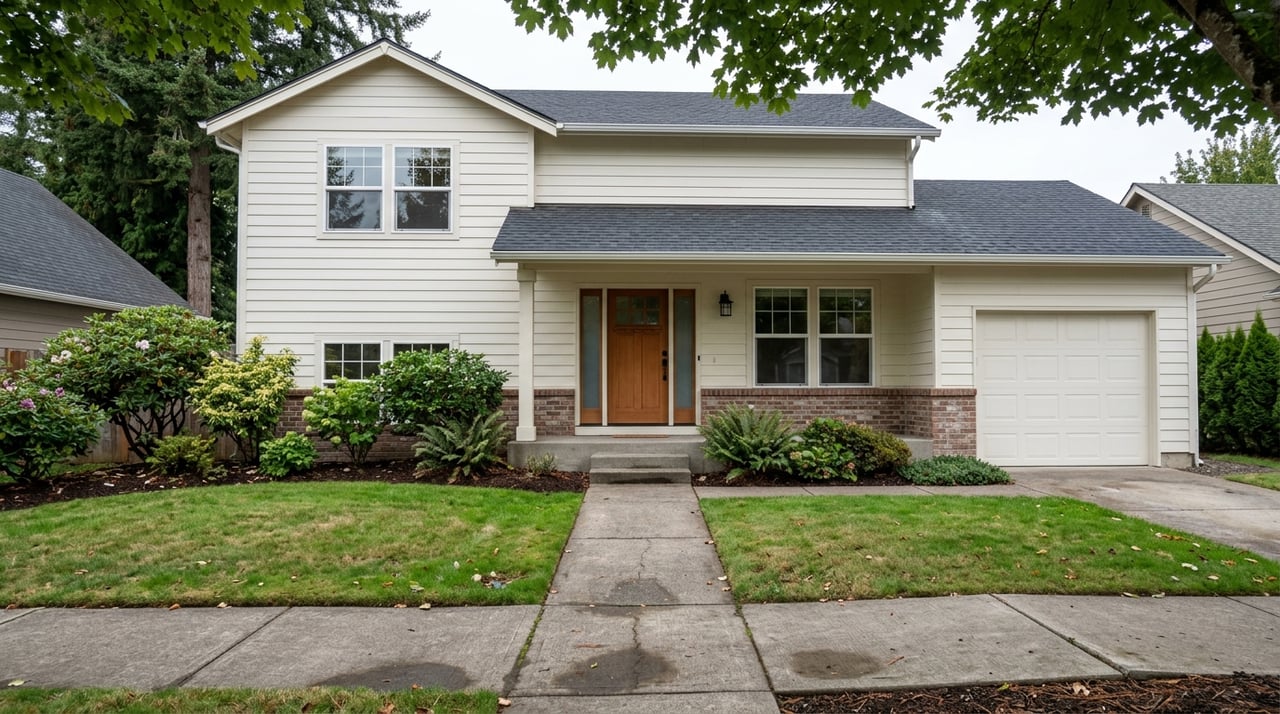
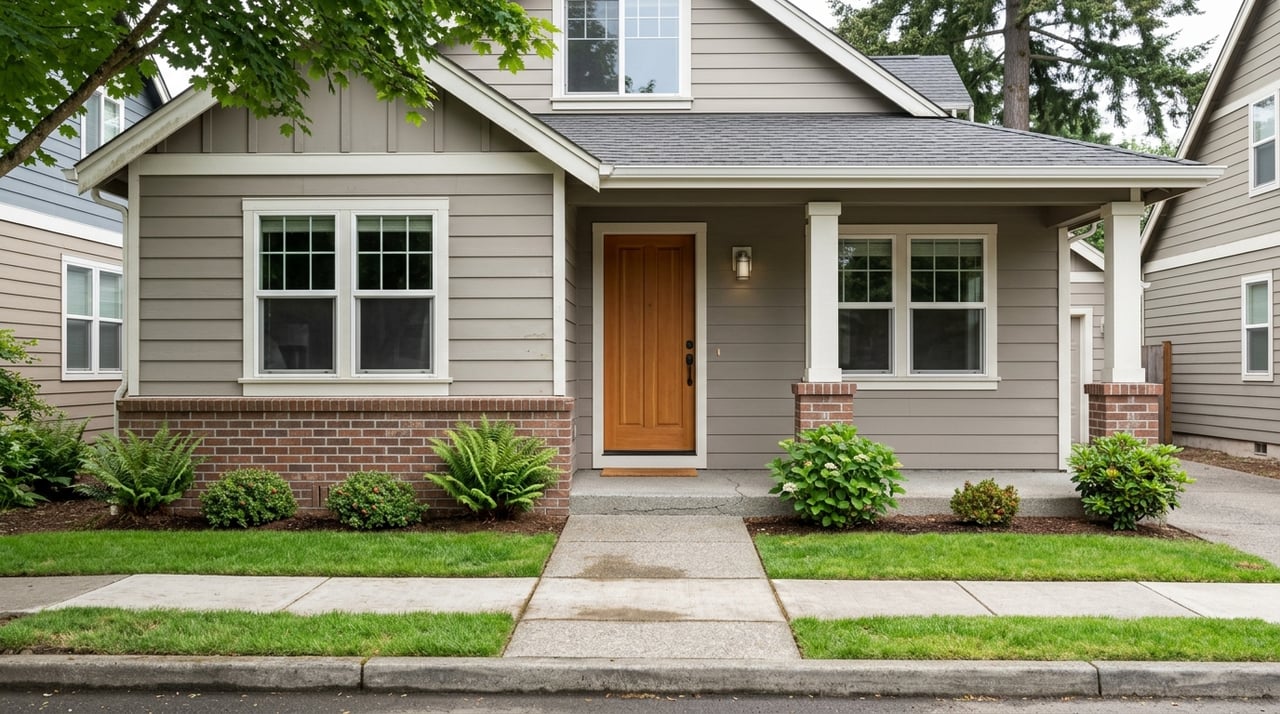
The area also tends to appeal to buyers who prefer older neighborhoods with a settled look. Instead of a brand-new subdivision feel, you will usually find mature residential streets, established homes, and a more classic suburban pattern.
West Slope Commute and Access
A big part of West Slope’s appeal is how well it connects to nearby job centers and services. TriMet’s 58-Canyon Rd route runs between Beaverton Transit Center and Portland City Center and explicitly serves West Slope, SW Portland, Sylvan, and Goose Hollow.
That direct transit connection supports the area’s commuter-friendly reputation. Census Reporter ACS data also shows a mean travel time to work of 21.1 minutes, which is shorter than the Portland-Vancouver metro average of 25 minutes.
If you want a suburb-like setting but do not want to feel far removed from Portland, this can be a strong middle ground. You stay close to westside destinations while still living in a more residential environment.
West Slope Housing Style and Age
West Slope is mostly residential, and detached homes make up the largest share of the housing stock. A Census-based Point2Homes profile reports that 59.3% of housing units are detached single-family homes, with another 6.8% in attached housing like duplexes and townhouses.
The neighborhood’s housing stock also leans older. Point2Homes reports a median construction year of 1964, and most development took place in the second half of the 20th century.
That age shows up in the style mix. Neighborhood summaries describe Pacific Northwest contemporary, midcentury modern, split-level, and ranch-style homes, which may appeal to buyers who want character and variety rather than rows of similar new builds.
What Lot Sizes May Look Like
Lot sizes in West Slope are not one-size-fits-all, but current listings suggest a more traditional suburban pattern. Recent examples on Homes.com include homes on about 0.23-acre, 0.27-acre, 0.33-acre, and 0.40-acre lots.
These are only listing examples, not a neighborhood-wide average. Still, they help paint a picture of what many buyers are looking for here: a close-in location with the possibility of more yard space than you might expect closer to central Portland.
West Slope Home Prices and Inventory
West Slope is not usually the entry-level price play on the west side. Census QuickFacts reports a median value of $755,300 for owner-occupied homes, and Zillow’s March 31, 2026 snapshot puts the typical home value at $773,107.
Inventory also appears limited. Zillow’s same March 2026 snapshot showed only 15 homes for sale at that time, which helps explain why buyers may need to be ready when the right property appears.
That does not mean every home will look the same or be priced the same. It does mean West Slope generally falls into a close-in westside premium category, where convenience and established housing often come with higher price points.
Everyday Amenities Near West Slope
West Slope works well for buyers who want practical amenities nearby. You are not choosing the area for a dense urban shopping district, but you do have useful community resources close at hand.
THPRD’s West Slope Park is a 0.73-acre park just south of Highway 26 off SW Canyon Road. It includes a playground, picnic area, grassy lawn, and paved walking path.
The West Slope Community Library adds another everyday convenience. Located on SW 78th Avenue, it serves the West Slope and Raleigh Hills areas and offers community programming such as storytime, book groups, and digital navigator tech help.
For shopping and dining, Cedar Hills Crossing is a major nearby retail anchor. Its official site says the center includes 100 shops and restaurants, giving residents access to a broad mix of errands, dining, and everyday services.
How West Slope Compares to Central Portland
If you are deciding between West Slope and a more central Portland neighborhood, the biggest difference is usually convenience versus density. West Slope generally feels more residential and less dense.
That can be a plus if you want more space, older homes, and a quieter suburban layout. It may be less appealing if your top priority is a highly walkable urban grid with dense retail and entertainment built into the neighborhood fabric.
In simple terms, West Slope often works best for buyers who want to stay connected to Portland without living in the middle of it. You may give up some urban intensity, but you gain a more settled residential setting.
How West Slope Compares to Farther-Out Suburbs
Compared with farther-out westside suburbs, West Slope keeps you closer in. That can matter if you value shorter travel times, easier access to Portland, or a location that still feels central to many westside destinations.
The tradeoff is cost. The research points to home values in the mid-$700,000s and limited supply, which means buyers are often paying for convenience, location, and neighborhood maturity.
For some households, that premium feels worth it. For others, moving farther out may create more options on price, newer construction, or inventory.
Who West Slope Fits Best
West Slope is often a strong fit if you want:
- A close-in westside location
- An established neighborhood feel
- Older homes with character
- A mostly residential setting
- Access to transit, parks, and a library
- A commute profile that may be shorter than the broader metro average
It may be especially appealing if you care about the balance between livability, access, and long-term value. Buyers who like evaluating home condition, lot use, and future potential often find this kind of neighborhood worth a closer look.
When West Slope May Not Be the Best Fit
No neighborhood is right for everyone, and West Slope has clear tradeoffs. It is less likely to be your best match if you want brand-new construction, the lowest possible price point, or an urban-style street grid with a highly walkable feel.
You may also need patience with inventory. With limited homes for sale at the time of the research snapshot, buyers may need to watch the market closely and move decisively when a well-matched home becomes available.
How to Decide With Confidence
If West Slope is on your shortlist, the smartest next step is to compare it against your actual daily priorities. Think about commute patterns, housing style, lot size, upkeep expectations, and what matters most in your weekly routine.
Because many homes here are older, it also helps to look beyond surface appeal. Paying attention to layout, maintenance history, and overall condition can make a big difference in how confident you feel about a purchase, especially in a higher-price neighborhood.
A calm, local review of the tradeoffs usually makes the answer clearer. For some buyers, West Slope checks nearly every box. For others, it becomes a useful benchmark that helps them refine their search elsewhere on the west side.
If you are comparing West Slope with other Portland-area neighborhoods, working with an advisor who understands pricing, resale, and property condition can help you sort through the details without pressure. If you want thoughtful guidance on whether this area fits your goals, Victoria Marchese can help you explore your options with a steady, informed approach.
FAQs
What kind of homes are common in West Slope, Oregon?
- West Slope is mostly residential, with 59.3% detached single-family homes and 6.8% attached housing such as duplexes and townhouses, according to a Census-based Point2Homes profile.
What is the typical home value in West Slope, Oregon?
- Census QuickFacts reports a median value of $755,300 for owner-occupied homes, and Zillow’s March 31, 2026 snapshot put the typical West Slope home value at $773,107.
What is the commute like from West Slope, Oregon?
- Current ACS data shows a mean travel time to work of 21.1 minutes, and TriMet Route 58 connects West Slope with Beaverton Transit Center and Portland City Center.
What amenities are near West Slope, Oregon?
- Nearby amenities include West Slope Park, the West Slope Community Library, and Cedar Hills Crossing, which lists 100 shops and restaurants.
Is West Slope, Oregon a good fit for buyers who want newer homes?
- West Slope is generally a better fit for buyers who like established neighborhoods and older homes, since the median construction year is 1964 and most development happened in the second half of the 20th century.