If you want an established westside neighborhood where daily life feels practical, settled, and easy to navigate, Marlene Village deserves a closer look. For many buyers, the goal is not a dense urban setting. It is finding a place where errands are manageable, parks are nearby, and the neighborhood already feels lived-in and grounded. This guide will walk you through what everyday living in Marlene Village is really like, from housing character to recreation, shopping, and commuting. Let’s dive in.
Marlene Village at a Glance
Marlene Village is a compact community in Washington County with about 5,439 residents living within 0.9 square miles, according to Census Reporter. That works out to roughly 6,000 people per square mile, giving the area a settled suburban feel rather than a spread-out rural pattern.
The same source reports an average household size of 2.4 people and a mean travel time to work of 22.6 minutes. Taken together, those numbers point to a neighborhood that supports day-to-day routines well, especially if you want a residential setting with practical access to nearby work, shopping, and services.
Neighborhood Character in Marlene Village
One of the clearest things about Marlene Village is that it feels established. Washington County planning materials for the surrounding Cedar Hills-Cedar Mill area describe this part of the westside as predominantly residential, located north of Beaverton and west of Portland city limits, with several major roads carrying regional work and shopping trips each day.
That matters because it helps set expectations. Marlene Village is not trying to be a walk-everywhere urban district. Instead, it offers a compact residential setting where many people build routines around driving to work, heading to nearby shopping areas, and making the most of local parks and recreation options.
County planning materials also note that additional middle-housing potential in Marlene Village is very limited, which suggests the area is largely built out already. For you as a buyer, that can translate to a more consistent neighborhood pattern and a sense that the area’s character is already well established.
Mid-Century Roots and Housing Style
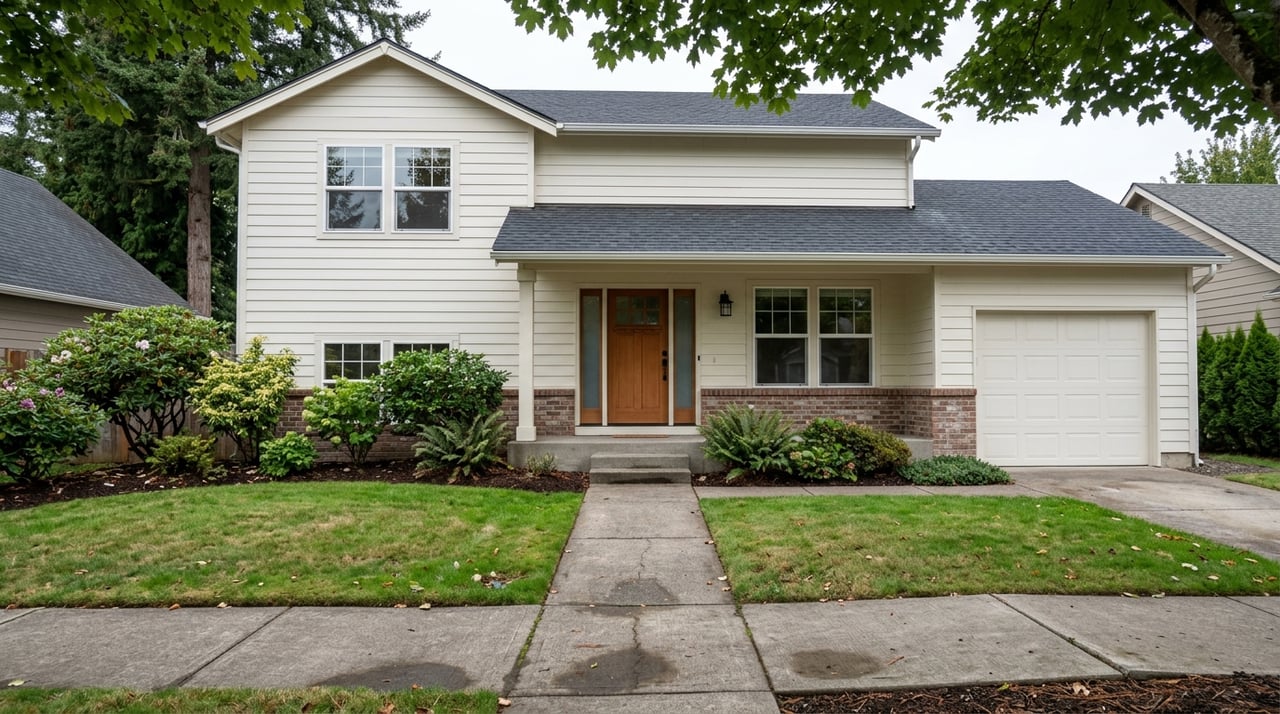
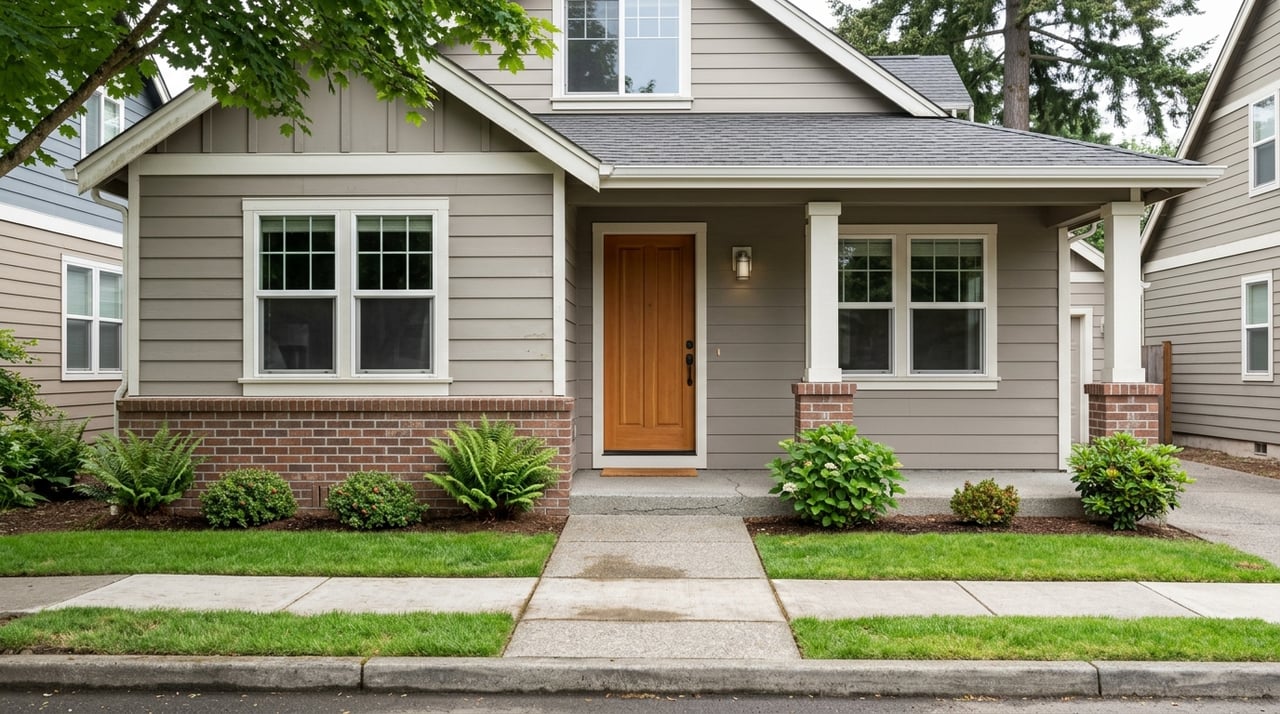
Marlene Village has postwar suburban roots, and that history still shapes how the neighborhood feels today. A local history feature from Cedar Mill News describes it as a postwar suburban project and notes that homes in Marlene Village were originally offered in three designs at the same price.
That background supports what many buyers notice right away: this is an established low-rise residential enclave with mid-century origins. You are more likely to find a neighborhood defined by long-standing housing patterns than by large new developments or rapid change.
If you appreciate neighborhoods with a sense of continuity, that can be a real plus. Established areas often appeal to buyers who want to understand the streetscape, lot patterns, and overall layout before they make a move.
What the Housing Numbers Suggest
Current census data reinforces the idea that Marlene Village is stable and owner-leaning. According to U.S. Census QuickFacts, 66.0% of households are owner-occupied, the median owner value is $539,800, and 88.7% of residents lived in the same house one year earlier.
Those numbers suggest relatively low turnover compared with more transitional areas. If you are looking for a neighborhood where people tend to stay put, Marlene Village may fit that goal.
The same data shows a median monthly owner cost with a mortgage of $2,319 and a median gross rent of $1,853. While your actual costs will depend on the specific property, financing, and timing, these figures help frame the area as a mature westside market with a mix of ownership and rental housing.
Parks and Outdoor Time Nearby
For outdoor recreation, one of the standout nearby amenities is Commonwealth Lake Park. THPRD describes it as a 20-acre Cedar Hills park with a 0.8-mile paved loop, fishing, picnic areas, a playground, a soccer field, wildlife viewing, and dawn-to-dusk hours.
That kind of park can add a lot to everyday life. Whether you want a place to walk, spend time outside, or enjoy a casual afternoon near the water, having a park like this nearby gives you an easy option without needing to plan a full outing.
For buyers who prioritize usable outdoor amenities, Commonwealth Lake Park is one of the strongest lifestyle benefits tied to this area. It supports the kind of routine suburban living many people want: simple, accessible, and easy to enjoy on a regular basis.
Recreation Options Close to Home
Indoor recreation is also part of the picture. Cedar Hills Recreation Center offers a neighborhood-scale option with hundreds of classes and programs, as well as fitness rooms, an indoor gymnasium, preschool, after-school programming, and year-round events.
That variety can be especially helpful if you want flexibility in your routine. It gives nearby residents access to fitness, programs, and activities in one place, which can make weekly schedules easier to manage.
For many buyers, these kinds of amenities matter because they support real life, not just weekend plans. They make it easier to picture how the neighborhood functions from one ordinary Tuesday to the next.
Shopping and Errands in the Area
Daily convenience is one of Marlene Village’s biggest strengths. Nearby Cedar Hills Crossing is a major shopping anchor, and its official site advertises 100 shops and restaurants, including New Seasons Market and Century Theatres.
That gives you access to groceries, dining, entertainment, and general errands in one established destination. If your ideal neighborhood includes easy shopping runs without needing to drive across the metro area, this is a meaningful advantage.
There is also access to the broader Tanasbourne/AmberGlen district, which the City of Hillsboro describes as a regional center with office, retail, residential, hotel, and healthcare uses, along with nationally branded shopping, dining, and entertainment. Together, these nearby commercial areas help support the practical, errand-oriented lifestyle that defines Marlene Village.
Commuting and Getting Around
Marlene Village works best if you are comfortable with a car-friendly routine. Washington County planning materials describe the surrounding area as one where several major roadways carry regional work and shopping trips each day.
That does not mean you are cut off from transit. The same planning context notes that TriMet’s Line 48 provides a nearby east-west connection between Hillsboro Transit Center and Sunset Transit Center, which can be useful depending on where you are headed and how you prefer to travel.
In day-to-day terms, though, this is a neighborhood built more around convenience and connection than around dense, transit-first living. For many buyers, that is exactly the appeal.
Who Marlene Village May Fit Best
Marlene Village tends to make sense for buyers who want an established westside setting with straightforward daily convenience. If you value nearby parks, recreation programs, shopping access, and a residential neighborhood that already feels settled, this area checks many of those boxes.
It may also appeal to buyers who like the idea of a neighborhood with mid-century roots and relatively low turnover. When a place has a stable housing pattern and a strong owner presence, it can offer a sense of continuity that feels reassuring.
At the same time, it is helpful to go in with clear expectations. The strongest lifestyle takeaway here is suburban convenience, not an urban core where everything is a short walk away.
Why Local Guidance Matters
Even in a smaller, established neighborhood, the right home can vary a lot from one street or property to the next. Condition, updates, layout, lot use, and long-term resale potential all matter, especially in neighborhoods with older housing stock and low turnover.
That is where practical guidance can make a real difference. When you are comparing homes in a place like Marlene Village, it helps to have an advisor who can look beyond surface appeal and help you think through livability, maintenance, and value over time.
If you are considering a move in Marlene Village or another westside neighborhood, Victoria Marchese offers the calm, knowledgeable guidance that can help you evaluate your options and move forward with confidence.
FAQs
What is everyday life like in Marlene Village?
- Everyday living in Marlene Village is best described as settled, suburban, and convenience-focused, with nearby access to parks, recreation, shopping, and major road connections.
What kind of neighborhood is Marlene Village in Washington County?
- Marlene Village is a compact, predominantly residential community in Washington County with an established neighborhood pattern and limited additional middle-housing potential.
What types of homes are common in Marlene Village?
- Marlene Village is known as an established low-rise residential area with postwar, mid-century roots, based on local history and current neighborhood context.
Are there parks near Marlene Village?
- Yes, nearby Commonwealth Lake Park offers a paved loop, fishing, picnic areas, a playground, a soccer field, and wildlife viewing.
What shopping is near Marlene Village?
- Cedar Hills Crossing is a major nearby shopping destination with shops, restaurants, groceries, and entertainment, and the broader Tanasbourne/AmberGlen area adds more retail and service options.
Is Marlene Village a walkable urban neighborhood?
- Marlene Village is better understood as a car-friendly suburban area focused on practical daily access rather than a dense walk-everywhere urban lifestyle.