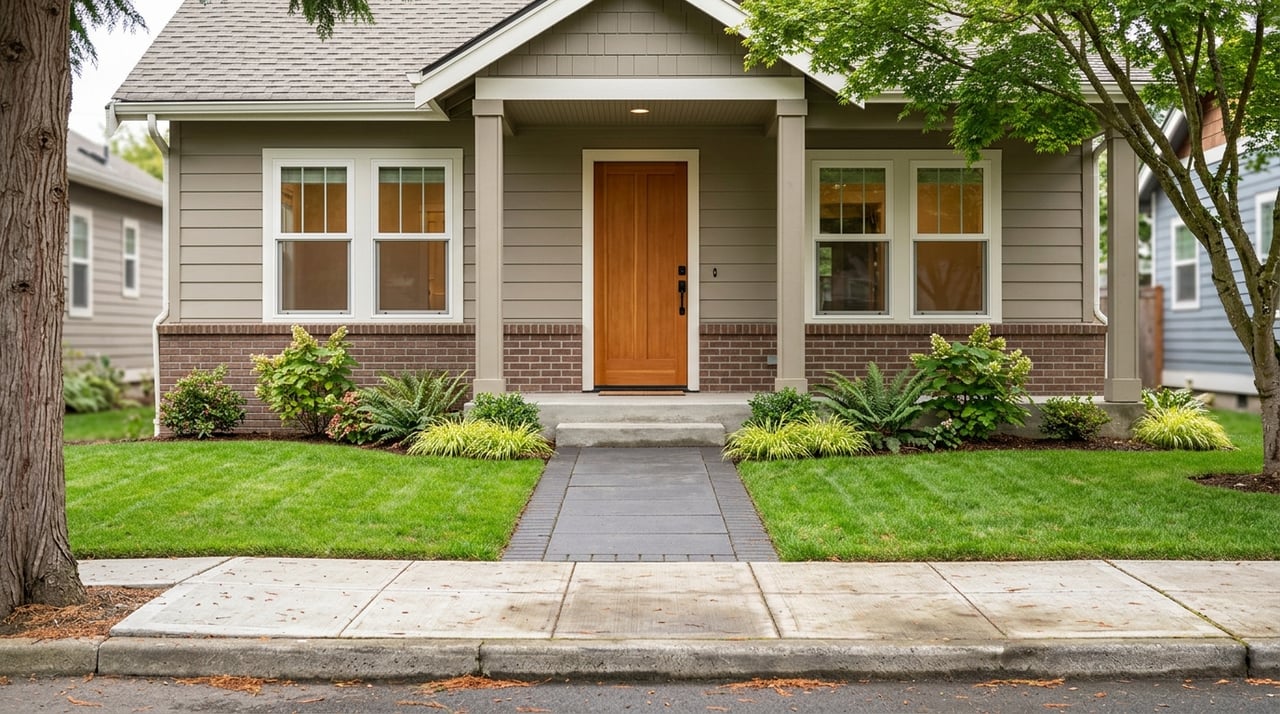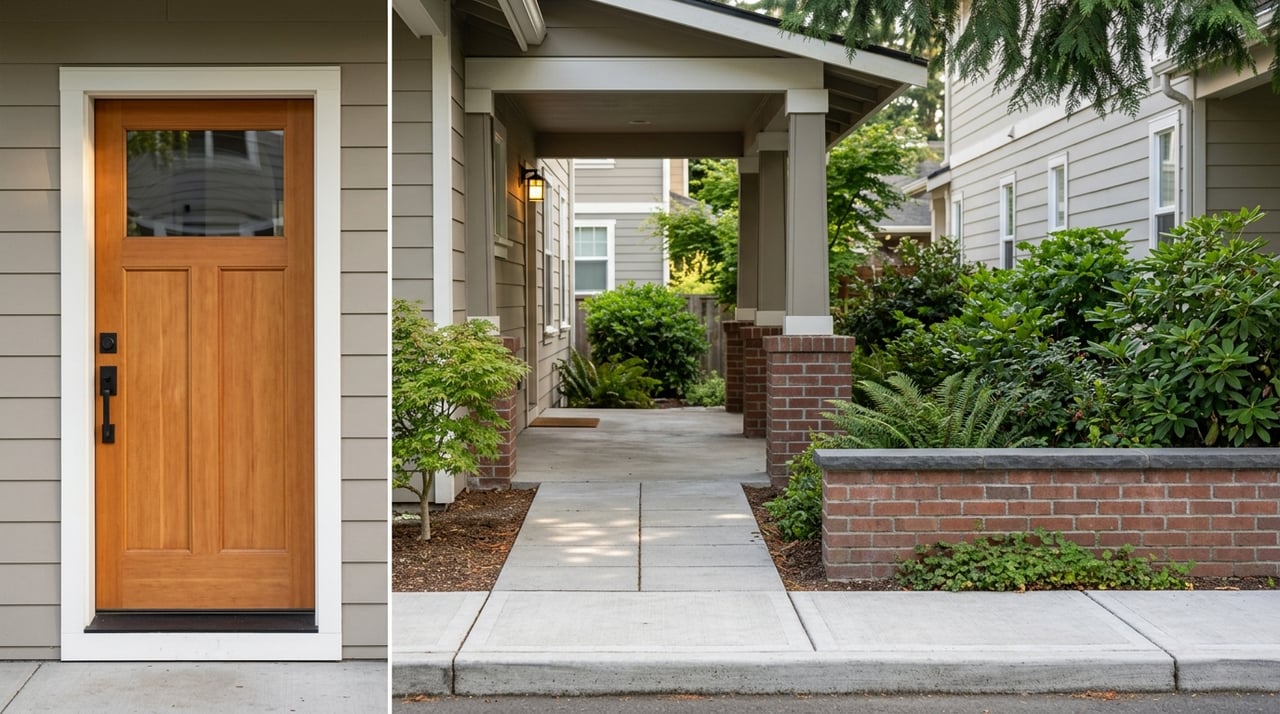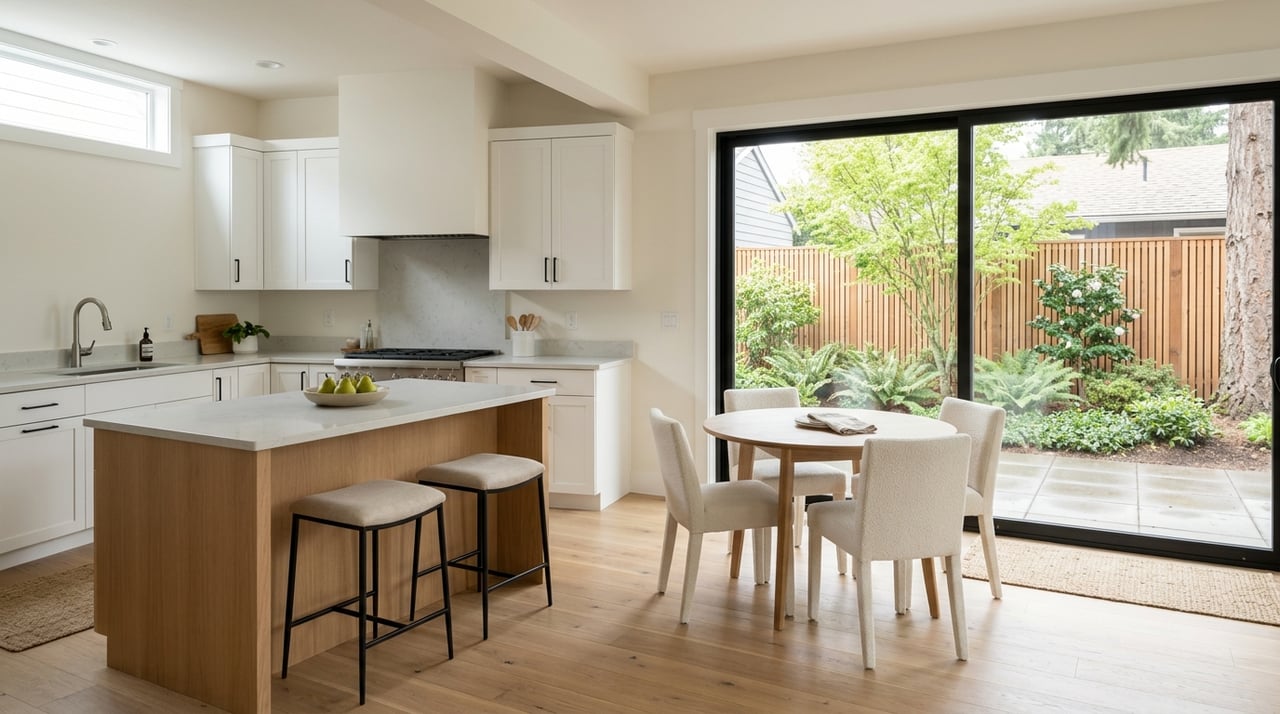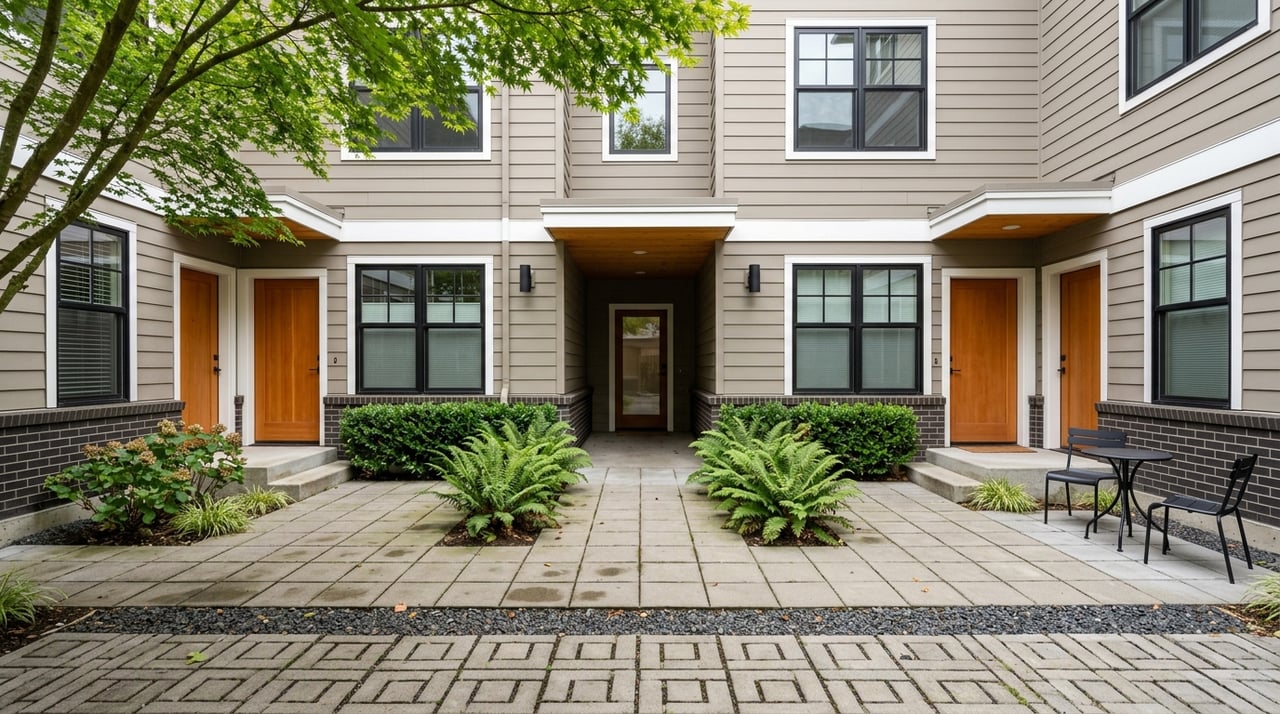
If you want a home base with less exterior upkeep, easy transit access, and everyday conveniences close by, Orenco Station is easy to understand. This Hillsboro district was planned as a mixed-use neighborhood, so condos and townhomes sit near parks, restaurants, shops, and community spaces instead of feeling tucked away from daily life. If you are comparing low-maintenance options on Portland’s west side, this guide will help you understand why Orenco Station stands out and what you should review before you buy. Let’s dive in.
Why Orenco Station Appeals
Orenco Station was originally planned in the 1990s on about 135 acres in Hillsboro as a mixed-use district. Today, the city says the area includes townhomes, detached homes, apartments, pedestrian-oriented commercial areas, parks, restaurants, and Orenco Station Plaza, which hosts gatherings and events. That mix is a big part of the appeal if you want a home that connects well to your daily routine.
For many buyers, the lifestyle is just as important as the floor plan. You may be looking for less yard work, a more connected setting, or a home that makes it easier to get around without relying on a long drive for every errand. Orenco Station checks many of those boxes.
Transit Access Matters Here
One of Orenco Station’s biggest advantages is transportation access. TriMet lists the Orenco MAX Station on the Blue Line, and the station includes park-and-ride access, bike racks, lockers, ticket vending, and accessible features. The city also notes that the North Hillsboro Link stops there frequently and that Highway 26 is easy to reach.
That matters if you want a commute-friendly location or simply more flexibility in how you move around the region. Even if you work from home, having transit nearby can still add convenience and long-term value when you think about your future needs and resale appeal.
Condos and Townhomes Are Not Always the Same
This is where many buyers need to slow down a bit. In Oregon, a condominium is a specific legal form of ownership, not just a building style. The state defines a condo as a unit plus an undivided interest in common elements like foundations, framing, siding, roofs, stairways, utility services, landscaping, and parking areas.
A townhome-style property, on the other hand, might be set up as a condominium or as a planned community. In a planned community, owners collectively pay for maintenance, operation, insurance, or other expenses tied to common property, and the association can also be responsible for some exterior maintenance of individually owned property. That means you should not assume the legal structure from the look of the home alone.
Why Ownership Structure Affects Your Costs
The legal structure helps determine who pays for what. Depending on the recorded declaration and related documents, the association may handle some items, while the owner may be responsible for others. That can affect your monthly budget, your repair exposure, and the way you compare one property to another.
Before you get too attached to a specific unit, confirm who is responsible for features such as:
- Roofs
- Siding
- Decks or balconies
- Landscaping
- Parking areas
- Shared utility components
This step is especially important in Orenco Station, where attached housing can look similar from the street while operating under different rules behind the scenes.
HOA Fees Tell Only Part of the Story
Low monthly dues can look attractive, but they do not always mean lower long-term cost. Under Oregon law, association dues are tied to common expenses and reserve funding. In planned communities, common expenses include HOA expenditures and reserve allocations. In condos, reserve accounts are funded by assessments against individual units, and the board must update the reserve study annually.
In plain terms, your dues are supposed to help cover current operations, shared maintenance, and future replacement work. If dues seem unusually low, it is smart to compare them against the reserve study and maintenance plan. A lower monthly payment can sometimes mean more risk of future special assessments or deferred maintenance.
Financial Documents to Review Early
When you buy a condo or townhome, the paperwork matters almost as much as the home itself. Oregon law requires annual financial statements for both condos and planned communities, and those statements must be distributed within 90 days after the fiscal year ends. If annual assessments exceed $75,000, an independent Oregon CPA must review the statement within 300 days after year-end.
Those rules give buyers a useful framework, but they do not replace your own review. Early in the process, ask for and study documents such as:
- Declaration
- Bylaws
- Current budget
- Annual financial statement
- Reserve study
- Maintenance plan
- Any rules, covenants, conditions, or restrictions that bind owners
- Relevant easements, management agreements, or ground lease information if applicable
These documents can answer practical questions about parking, storage, exterior changes, rentals, pets, and shared expenses. They also help you understand whether the association appears organized and prepared for future repairs.
Inspection Focus for Orenco Condos and Townhomes
A standard Oregon home inspection is a general visual exam. State guidance says inspectors assess items such as plumbing, electrical, heating and cooling, insulation, ventilation, siding, windows, doors, roofs, attached garages, foundations, and visible structures. For attached housing, though, some issues deserve especially close attention.
In condos and townhomes, the building envelope and shared systems often have the biggest financial impact. That usually means paying close attention to roofs, drainage, siding, windows, decks or balconies, and any signs of leaks or abnormal condensation. Problems in these areas can become more complicated when walls, roofs, or structural systems are shared.
Watch Closely for Moisture Issues
The Oregon Health Authority says moisture control is the key to mold control. In a multi-unit building, that matters even more because water intrusion can affect more than one unit. A stain on one ceiling or a failed exterior seal can point to a bigger issue that extends beyond a single owner’s space.
During showings, document review, and inspection, look carefully for:
- Musty odors
- Water stains
- Damaged flashing
- Failed caulking
- Damp wall surfaces
- Balcony or deck wear
- Window or siding areas that show signs of past leakage
These observations do not automatically mean a property is a bad choice. They do mean you should ask better questions and understand how repairs would be handled.
Questions to Ask Before You Buy
If you are serious about buying in Orenco Station, a few clear questions can save you stress later. This is where practical guidance matters more than surface appeal.
Start with these:
- What exactly does the monthly HOA fee cover?
- What costs are excluded from that fee?
- Is the property legally a condominium or a planned community?
- Who handles roof, siding, deck, or balcony repairs?
- When was the reserve study or maintenance plan last updated?
- Which major components may need replacement soon?
- Are there use restrictions that affect parking, storage, pets, rentals, or exterior changes?
A good review process helps you compare homes more accurately. Two properties can have similar prices but very different long-term ownership costs and responsibilities.
How to Decide if Orenco Station Fits You
Orenco Station can be a strong fit if you want a home that supports a simpler routine. The neighborhood’s mixed-use layout, transit access, nearby services, and lower-maintenance housing options appeal to buyers who want convenience without giving up comfort. The city also notes proximity to major employers such as Intel, which can be another factor in how buyers evaluate the location.
At the same time, the right choice is not just about location. It is also about understanding the documents, the condition of the property, the reserve planning, and the repair responsibilities that come with ownership. That is often where a calm, experienced advisor adds the most value.
If you are weighing condo and townhome options in Orenco Station, it helps to have someone who can look beyond finishes and pricing and help you evaluate condition, documents, and long-term fit. If you want practical guidance and a steady local perspective, connect with Victoria Marchese for a conversation.
FAQs
What makes Orenco Station appealing for condo and townhome buyers?
- Orenco Station offers a mixed-use setting with housing, parks, restaurants, commercial areas, community gathering spaces, and strong transit access through the Orenco MAX Station, which can appeal to buyers who want convenience and less exterior upkeep.
What is the difference between a condo and a townhome in Oregon?
- In Oregon, a condo is a legal ownership structure involving a unit plus shared interest in common elements, while a townhome can be organized as a condo or a planned community, so you need to verify the recorded documents rather than assume based on appearance.
What should you review in an Orenco Station HOA before buying?
- You should review the declaration, bylaws, current budget, annual financial statement, reserve study, maintenance plan, and any rules or restrictions that affect owner use, maintenance responsibility, or shared expenses.
What do HOA dues usually cover in an Oregon condo or planned community?
- HOA dues generally fund common expenses, which can include operations, maintenance, insurance, and reserve funding for future repairs, but the exact coverage depends on the governing documents for that property.
What inspection issues matter most for Orenco Station condos and townhomes?
- Pay close attention to roofs, siding, windows, drainage, decks, balconies, and signs of moisture intrusion because those components often have the biggest impact on repair costs in attached housing.